


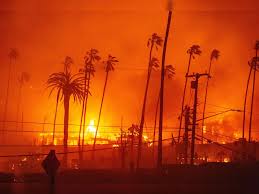
The recent Los Angeles wildfires have devastated large parts of the area, especially the Hollywood Hills. In that regard, more than 40 acres of vegetation were burnt. One of the most troublesome incidents was the “Sunset Fire,” which occurred on a Wednesday evening. By mid-Thursday morning, the teams that fought the fires were able to limit its spread. These are the kinds of events that represent the continued struggle of Los Angeles in terms of wildfires, for both its residents, emergency responders, and the environment bear the impact of such fires.
Role of Wind and Fire Response
According to Kristin Crowley, the Los Angeles Fire Department Chief, the major intensification of the fires was attributed to the wind. She said it was like having a “paid outfit” assisting the rapid spread of the flames. Still, crews didn’t stay idle; they fought day and night to bring the blaze under control with aerial and ground attacks. Coordination was also more advanced, though issues such as access to affected areas and water supply remained a problem.
Evacuation Orders and Community Impact
In short order, residents living in high-risk areas, beneath Runyon Canyon and Wattles Park, received orders to evacuate. While that may have been needed, it came with complete dislocation and a great deal of upset, at least from those with babies just old enough to be on their own, older people, and pets. Happily, evacuation orders were lifted Thursday morning and residents could go back to their homes, although many witnessed what the fires made of the city.
Environmental Impacts
The environmental impact of the wildfires is severe. The AQI levels become hazardous, and public health risks increase because of such events, primarily for people who suffer from respiratory problems. Destruction of vegetation on soils often leads to erosion and stops specific local ecosystems, thereby making the long-term issues of such fires worse.
Key Issues the Fires Set Forth
It brings forward the following questions to light for urgent answers based on the recent wildfires that occurred.
- What Had Taken Place a Month Before the Fires?
It becomes possible to determine what could have been done differently or not done at all to prevent fires after analyzing the events and conditions that led to the wildfires.
- What Had Happened to Pets During the Wildfires?
The evacuation process usually is so frantic that the pet’s safety will be overlooked in most cases. This incident proves the need to have good plans for evacuating pets and taking them to a shelter.
- Do Insurance Policies Exist for the Disaster Victims?
People start counting losses, and knowing whether insurance is available and effective for wildfire incidents is important. Many homeowners say that their policies are usually limited or refused in such cases of disasters.
- The Extent of Destruction: Before and After
Visual comparisons of the damaged areas before and after the fires reveal the magnitude of destruction, which necessitates proactive fire prevention and management policies.
- Fire Hydrant Issues
The efforts of firefighting were greatly impeded in certain areas by the depletion of water supplies in the fire hydrants. This event points out the need for upgradation of infrastructures to cope with the extreme demand during an emergency situation.
Rising Conspiracy Theories
Like any catastrophic event, the Los Angeles wildfires have served as a breeding ground for conspiracy theories, especially in social media outlets and fringe discussion boards. A second theory argues that fires were intentionally set in an effort to advantage landholders who were high-end developers targeting areas of great value for expensive developments; one such area that fits this mold is the Hollywood Hills, which, in an event of such a nature, could only favor a chosen few. Indeed, other recently burned areas of the region appear to have already been redeveloped. no concrete evidence to support these claims, they have gained traction among those skeptical of governmental and corporate intentions.
- Another theory that has been circulating all over is that of the use of advanced technologies, including directed-energy weapons (DEWs), in setting up the fires deliberately. Viral posts and videos have been flooding social media platforms, depicting melted cars and partially burned buildings, with such damage patterns as unnatural and manifestations of targeted attacks. Experts have proven that these theories are not true since the behavior of fires in urban-wildland interfaces sometimes produces seemingly inconsistent damage because of wind patterns, combustible materials, and structural vulnerabilities.
- Another thread of speculation links the fires to climate change politics. Some conspiracy theorists claim that the events are exaggerated or even orchestrated to push for stricter environmental policies, carbon taxes, or restrictions on development in certain areas. On the other hand, climate change deniers argue that these fires are merely propaganda tools for false event blaming on global warming, and forest mismanagement as well as the encroachment of cities onto wildfire-prone zones should have been addressed long ago.
Social media has amplified these unproven theories from influencers and pseudo-experts with evidence that is plausible but misleading to a broader public. The pervasiveness of false information keeps diverting attention away from recovery efforts, but it also undermines trust in official agencies working hard to battle the crisis. Local authorities and fire departments have devoted resources to dismissing such claims-they point out repeatedly that wildfires are brought about by natural conditions with human activity and climate change. While skepticism is not harmful in itself, it becomes the problem when it is used to discredit actual attempts to solve the root causes of disasters. Effective movement forward has to be supported by verifiable information, belief in credible sources, and concentration on tangible solutions instead of unproven conspiracies.
Conclusion
Wildfires are still one of the major threats to Los Angeles. Although the recent fires have caused huge disruption, they also bring areas where preparedness can be improved. From the robust evacuation plans and pet safety protocols to the enhanced fire hydrant systems and reliable insurance frameworks, addressing these challenges is very important. Combating misinformation and fostering community resilience are of equal importance in mitigating future disasters. With conspiracy theories being spread, reliance on verified information and collaboration across communities will better protect the city and its residents from the ever-present danger of wildfires.